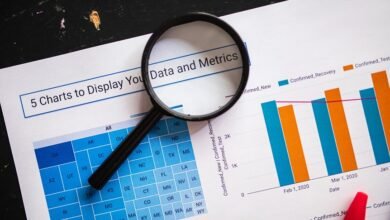
The Data Review Report provides a comprehensive analysis of selected unique identifiers, revealing critical trends and insights. Each identifier contributes to a broader understanding of data integrity and accessibility. The findings highlight ethical considerations essential for responsible data utilization. This report not only informs strategic initiatives but also poses questions about the implications of these insights across various sectors. The next sections will explore these dimensions in greater detail.
Overview of Unique Identifiers
Unique identifiers serve as essential tools in data management, facilitating the precise tracking and organization of information across various systems.
Their significance lies in providing unique classifications that distinguish data entries, thereby enhancing data integrity and accessibility.
Analysis of Data Trends
As organizations increasingly rely on data-driven decision-making, the analysis of data trends has emerged as a critical component of effective strategy formulation.
Data visualization plays a pivotal role in illustrating these trends, enabling stakeholders to grasp complex information quickly.
Moreover, trend forecasting allows organizations to anticipate future developments, fostering adaptability and informed choices in an ever-evolving environment.
Ultimately, this promotes a sense of freedom in decision-making.
Key Findings and Insights
While organizations navigate the complexities of data utilization, the key findings and insights derived from recent analyses reveal significant patterns that can inform strategic initiatives.
Emphasizing data integrity, the results highlight key metrics with statistical significance.
Effective anomaly detection and robust predictive modeling enhance decision-making, while data visualization techniques facilitate clearer communication of insights, ultimately empowering organizations to leverage their data more effectively.
Applications and Implications
Harnessing the insights derived from data analysis presents a range of applications that can significantly influence organizational strategies.
Data applications span diverse sectors, enhancing decision-making, optimizing operations, and personalizing customer experiences.
However, ethical implications must be carefully considered, ensuring data usage respects privacy and promotes equity.
Organizations must balance innovation with responsibility, fostering trust while leveraging data to achieve strategic objectives.
Conclusion
In conclusion, the Data Review Report highlights the intricate tapestry woven by unique identifiers, revealing patterns that enhance data integrity and accessibility. These insights serve as a compass for strategic initiatives, guiding organizations toward informed decision-making. However, as innovation flourishes, the report underscores the necessity of ethical considerations, reminding stakeholders that trust is the bedrock of progress. As we navigate this data-driven landscape, a balanced approach will illuminate pathways to sustainable growth and responsible practices.