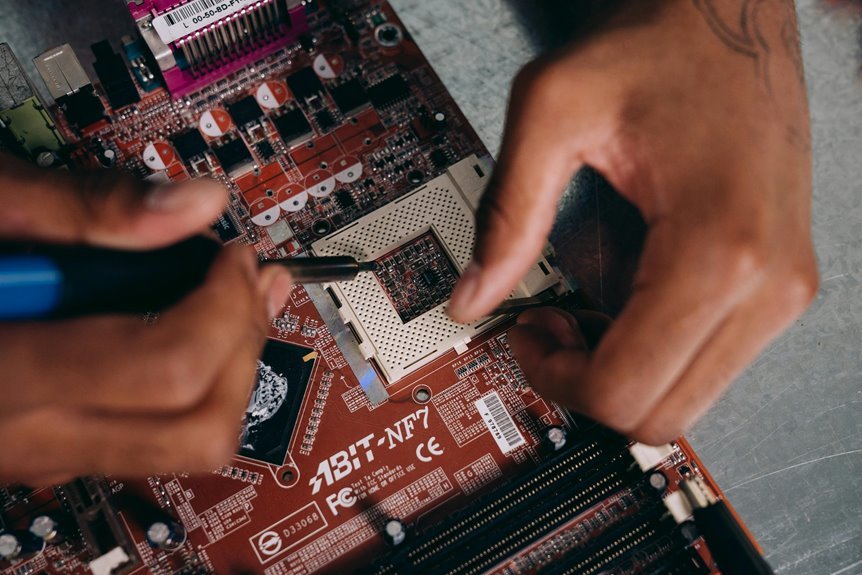
Installing the 35-Ds3chipdus3 requires careful preparation and attention to detail. First, one must ensure compatibility with their existing system. Essential tools, such as screwdrivers and pliers, should be gathered beforehand. Once the device is powered down, the old component must be removed with caution. Proper installation of the new chip is crucial for optimal performance. Following these initial steps leads to configuration and troubleshooting, which are equally important for a successful upgrade.
Preparing for Installation
Before initiating the installation of the 35-Ds3chipdus3, it is essential to prepare adequately. This involves understanding the installation prerequisites, which include reviewing technical specifications and ensuring compatibility.
Additionally, gather the necessary tools, such as screwdrivers, pliers, and safety equipment. Proper preparation empowers the individual, ensuring a smoother installation experience while fostering a sense of independence and confidence in their technical abilities.
Step-by-Step Installation Process
A comprehensive step-by-step installation process ensures the successful setup of the 35-Ds3chipdus3.
First, verify the system requirements to confirm compatibility.
Next, gather essential installation tools, including a screwdriver and any necessary connectors.
Begin by powering down the device, removing the old component, and carefully installing the new chip.
Finally, secure all connections and power the system back on for testing.
Post-Installation Configuration
Once the 35-Ds3chipdus3 has been installed, the next phase involves configuring the system settings to optimize performance.
This includes adjusting post installation settings such as power management, resource allocation, and network configurations.
Proper attention to these elements is crucial for achieving system performance optimization, allowing users the freedom to harness the full potential of their new installation effectively and efficiently.
Troubleshooting Common Issues
Although users may experience various challenges after installing the 35-Ds3chipdus3, identifying and addressing common issues can significantly enhance system functionality.
Frequent error messages often indicate compatibility issues. Conducting thorough compatibility checks between the chip and existing hardware can prevent these problems.
Additionally, ensuring that all drivers are updated may resolve performance inconsistencies, leading to a smoother user experience.
Conclusion
In the end, one might find it amusing that after meticulously installing the 35-Ds3chipdus3 and ensuring every connection is perfect, the system still requires a “friendly reminder” to update its drivers. Such is the irony of technology: the effort invested is often eclipsed by the quirks of software that demand attention. Yet, amidst the troubleshooting, there lies a sense of accomplishment, proving that even the simplest tasks can reveal the complexities of modern devices.